Field Notes From the Barrens
In this edition we turn to the serpentine barrens, landscapes born of the earth’s mantle, shaped by fire, and sustained by rare plants. Here, geology and history come together, reminding us how deeply people and ecosystems have always been entwined with this harsh stone.
Serpentine Barrens
Today, the serpentine barrens are sanctuaries to many rare and endangered species, preserved for research and preservation's sake. Two hundred years ago, the state line barrens were the top production sites of chromite in the world. Four hundred years ago, the serpentine grasslands were the hunting lands of the Susquehannock tribe as well as the Lenape on the eastern portion. These tribes utilized a practice of "fire hunting" in the autumn, which maintained an open oak/ pine savannah-type ecosystem, dominated by grasses and forbes. Despite this 130,000 acre habitat hosting hundreds of species of plants, its lack of erect wood earned the name "barrens" to the colonists. As long as humans have been on this land, it's safe to say we've always found this 60 square mile belt of ultramafic rock very important.
Serpentine rock begins deep within the earth's mantle as ultramafic rock, rich in iron and magnesium but low in silica. This rock is chemically altered by water and heat in a process called serpentinization, creating the distinct slick, green, serpentinite. To bring it to the surface, it took the Appalachian mountain building events (480-230 million years ago). These tectonic forces fractured the continental crust, causing deep seated slices of dense mantle rock lying on the ocean floor to thrust upward, over lighter crustal rock. Erosion has stripped away the overlying stone, leaving the serpentine in its characteristic nutrient poor, heavy metal rich, thin soil. About 8000-4000 years ago, during a warm, dry period called the hypsithermal interval, many plant species migrated east and north, with some tolerating and eventually specializing on this harsh, unforgiving stretch of bedrock.
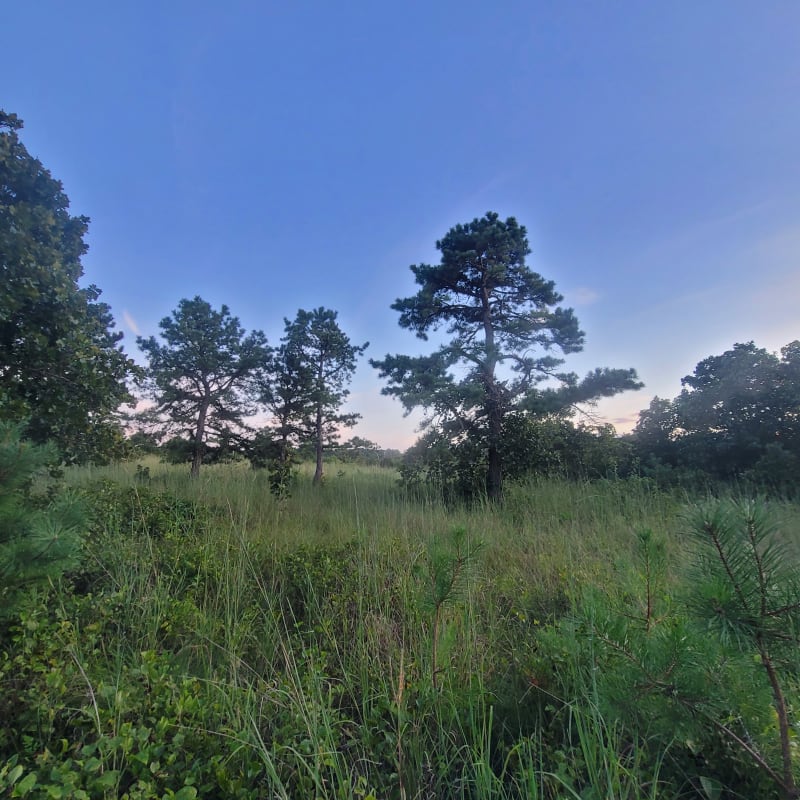
Oak/pine serpentine grassland
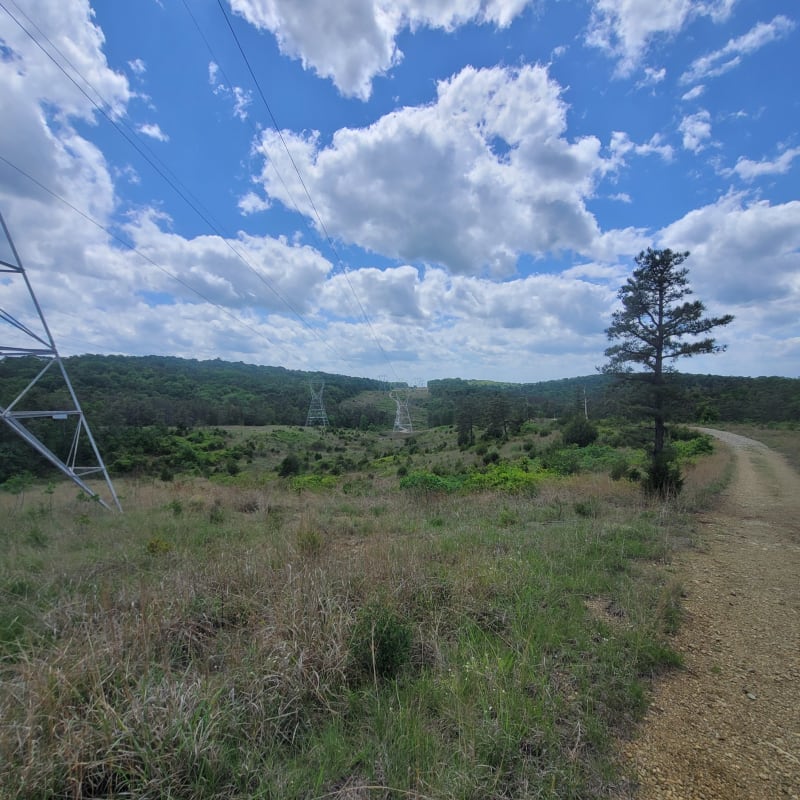
Pitch pine grassland
The epitome of serpentine adaptation can be summed up with the beautiful fameflower, Phemeranthus teretifolius. A Pennsylvania native succulent, this oddball employs CAM photosynthesis, opening the stomata (pores) under its waxy, water- filled leaves to take in carbon dioxide only at night, an adaption to retain water in its preferred habitat, the harshest part of a barren, unaccompanied by all but little bluestem. Each flower is ephemeral, lasting one day, and in my experience only blooming between the hours of 2-4:30pm in July and August. To catch one in bloom is to be kissed by the land it calls home. A brief moment in time occurs when the pink flowers appear, floating into view before closing and blending back into the green gravel from which they rose. There's a short list of true endemic species to the state line serpentine barrens, such as the serpentine aster, chickweed, and reed grass (all globally very rare, restricted mostly to our southern state line) but many great examples of evolution around this unique habitat exist here.
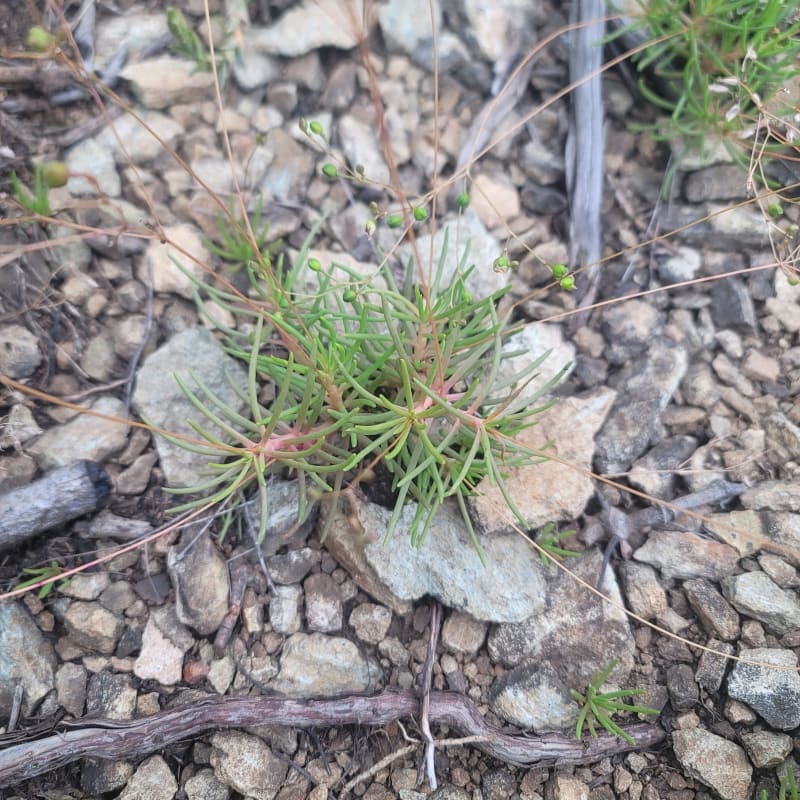
Fameflower on serpentine gravel
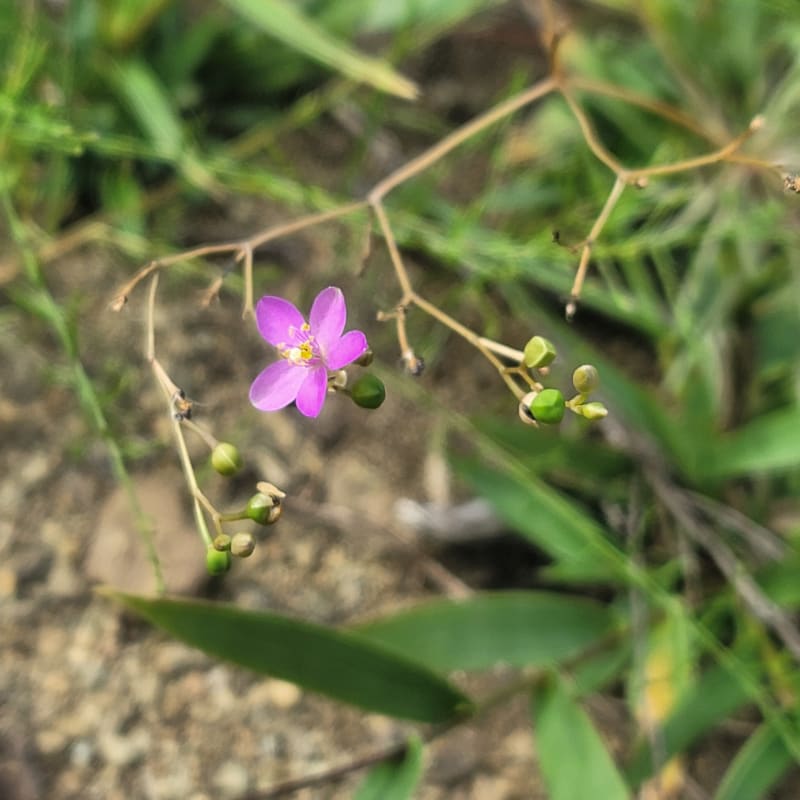
Fameflower in full bloom
The serpentine barrens can succeed to a few different forms depending on the thickness of the soil, if not maintained through mastication (grinding up brush or small trees) or prescribed fire. The chrome and rock springs barrens are a great example of a late succession serpentine landscape, dominated by 4 major oak species, blackjack oak (Q. marilandica), post oak (Q. stellata), chestnut oak (Q. montana), and southern red (Q. falcata), juniper, and red maple. Some uncommon shrubs like staggerbush (Lyonia mariana) as well as the stunning fringe tree (Chionanthus virginicus) also call this more shady, damp "barren" home. Though the iconic characteristic of a barrens is a full sun environment, many unique forbes like mountain mints, lobelia, flax, and even 5 species of evening primrose make due trailside, taking advantage of the maintained openings. After so many years of being left to succeed, places like chrome barrens resemble more of an ecotone, an assemblage of serpentine specialists as well as generalists like beech, chestnut oak, lowbush blueberry all intermingling. Chrome barrens also have the highest density of lone star ticks I've seen in the state - I have never left there with less than 8 on my pants, even in the winter. So if you go, frequent tick checks and bug spray are highly recommended.
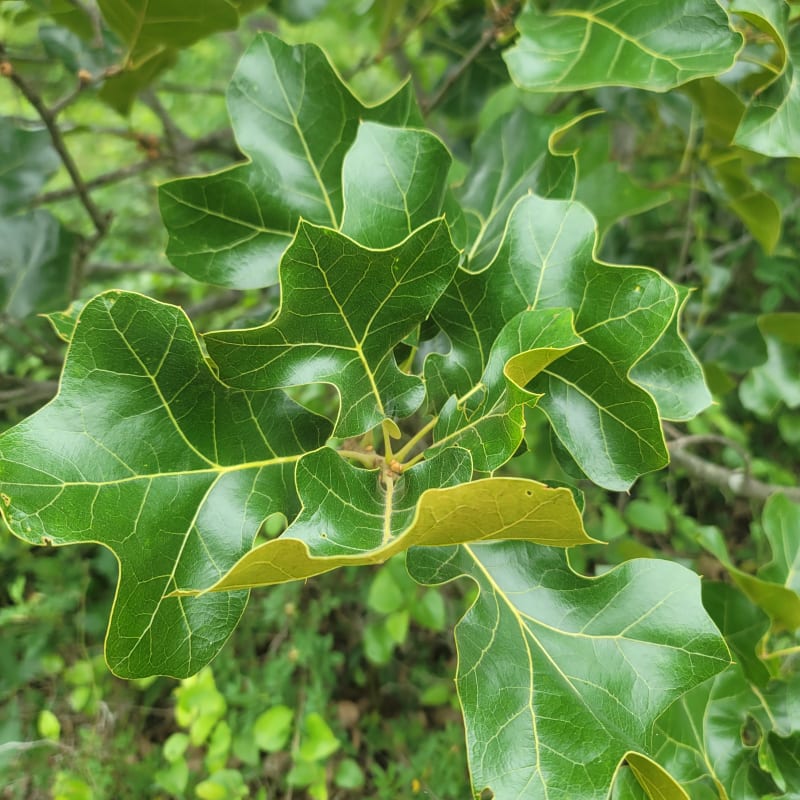
Blackjack oak (Quercus marilandica)
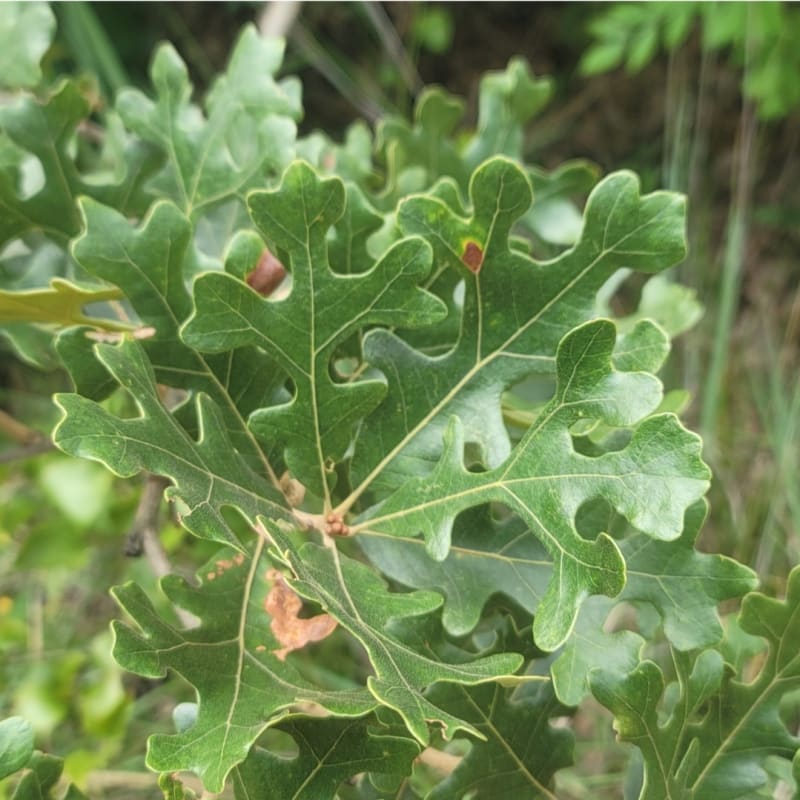
Post oak (Quercus stellata)
Nottingham county park is an outstanding example of a maintained serpentine ecosystem, encapsulating multiple distinct communities. The most iconic are just beyond the parking lot on chrome trail, and by McPherson pond. Highly diverse grasslands, dotted with whorled and green comet milkweed, wild asparagus standing tall like a Charlie Brown Christmas tree, adorned in its finest red berries. The Maryland golden aster (Chrysopsis mariana) is here too, one of the states only populations, standing mid height and hairy, producing shiny deep gold flowers in August. Hidden among the tall grass is a small summer blooming orchid, Spiranthes lacera, depending on disturbance to not be smothered under the thick thatch that builds year after year in the grasslands. Such is the case for many forbs that evolved here, depending first on megafauna and lightning, then on indigenous fire and hunting practices, and today on prescribed burns and mastication.
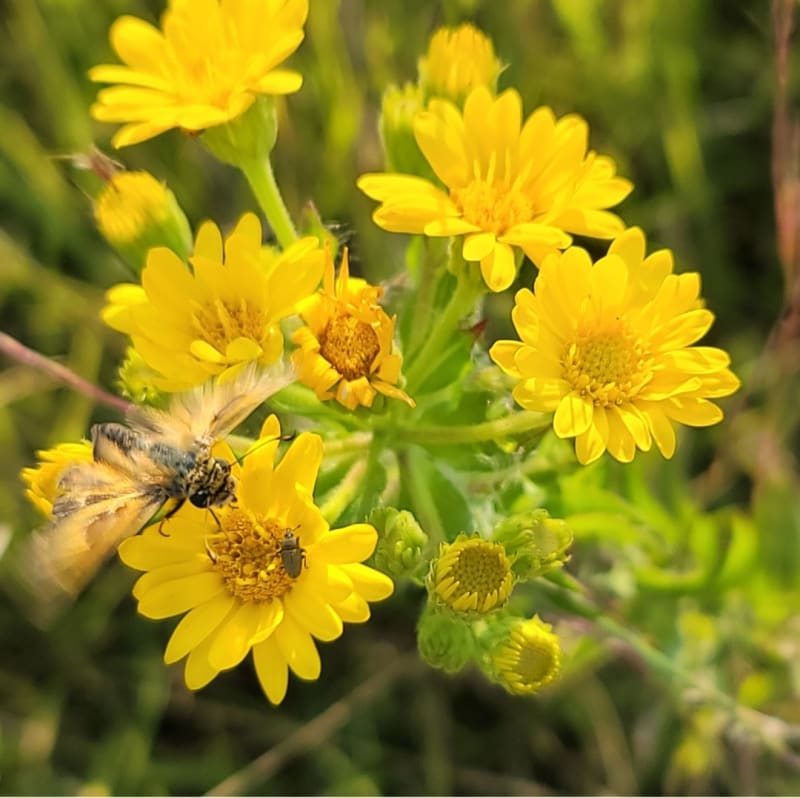
Maryland golden aster (Chrysopsis mariana)
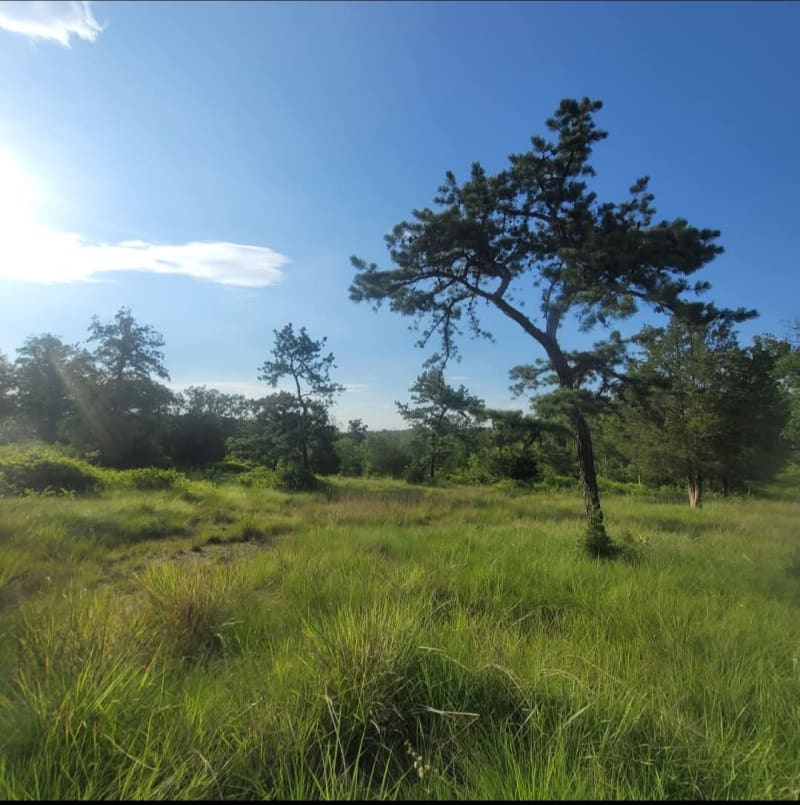
Serpentine pitch pine grasslandd
Simultaneously the thing you see everywhere, yet is so easy to overlook, is the grasses/rushes/sedges, over 100 species between them! If you look closely you can see different forms in every niche, some forming carpets under shade, others forming tall blinds or prairies. The serpentine grasslands are largely an early successional habitat that's been maintained as such. That maintenance is what has fostered a landscape which hosts dozens of endangered plants and insects, provides crucial bird habitat, and preserves one of the rarest ecosystems in the eastern U.S. In some habitats disturbance like fire is detrimental, but here, it's the lands key to such diversity and life. A hands off approach to this habitat would be to watch the slow death of such a dynamic and adaptable ecosystem.
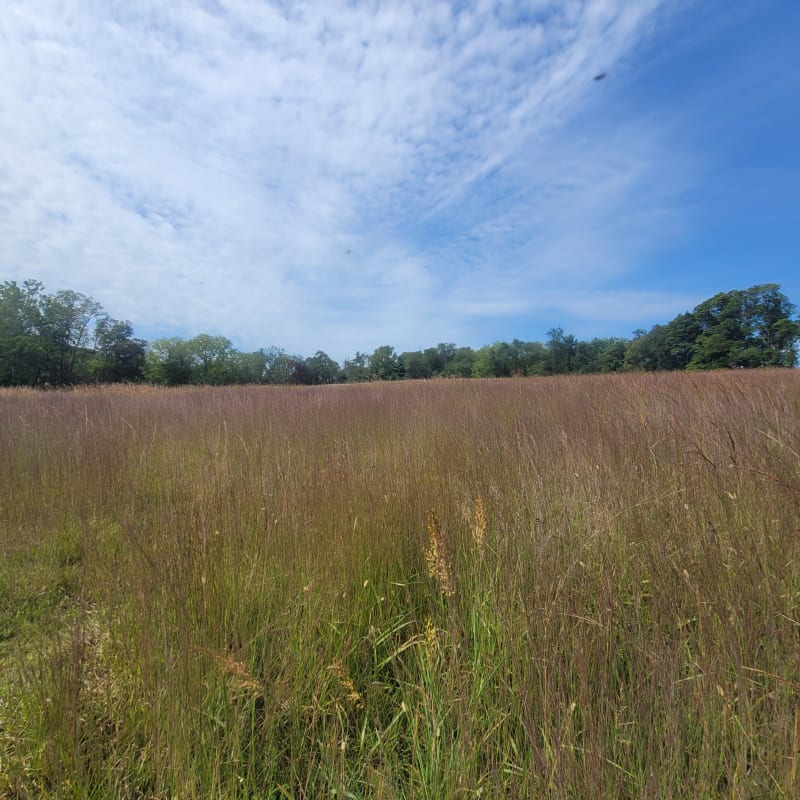
High diversity grassland
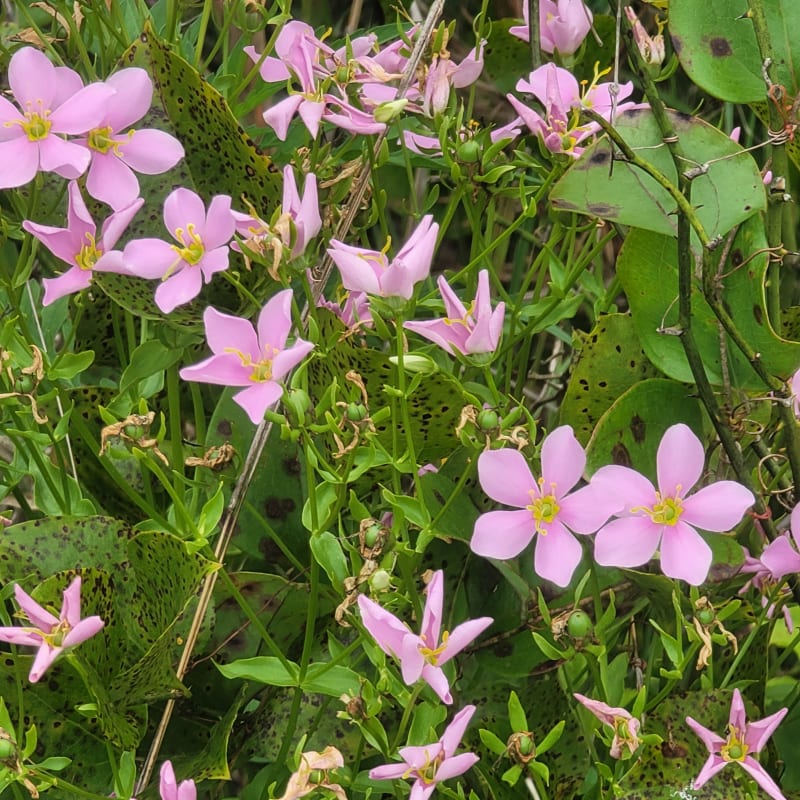
Rose pink (Sabatia angularis) grows among grasses
I hope you decide to visit a barren next year, from March to November is best. Please respect the land and stay on trail, leave no trace, pack PLENTY of water (and maybe a sun umbrella if you plan to spend the day), and don't forget to check for ticks. The barrens can be upwards of 15 degrees warmer than surrounding landscapes, so dress accordingly as there also isn't abundant shade.
A special thank you to Rose Chase, "the concerned citizens of west Nottingham township", Chris Hoess, Keith Mullin, "friends of the state line serpentine barrens", and anyone who has helped preserve this incredibly unique landscape. Marcus Garvey once said " Everything you do today that is worthwhile will inspire others to act at some future time", and the efforts of people like Rose Chase are a perfect embodiment of that quote. Her actions ripple through the grasslands today, having sparked the conservation of the barrens in the late 1970s. I consider myself someone who's felt her ripple, almost 45 years later. ,