Garden Notes on Rethinking the Hedge
In this edition, we turn our attention to the American hedge, that everyday line along roadsides and yards, and ask what it could become if we planted with intention. This piece explores how native shrubs and layered plantings can transform a boundary into a living, generous part of the landscape.
Reinventing the American Hedge
If you're driving down the road, doing a bit of car botany as many of us do, or simply noticing the blooms each year, you’ll see that the modern American hedge is more emblematic of Eurasia than of the northeastern United States. Honeysuckle, barberry, and privet — oh my! In this article, we’ll look at both the horticultural atrocities and the productive possibilities in the world of native hedge alternatives.
The modern American hedge needs a facelift. But what do we do? Like all gardening, it starts with intention. I believe there’s a Goldilocks zone here, where we create hyper‑diverse native microhabitats while also catering to our favorite local flavors and needs.
If you're looking to incorporate more forage into the hedge, consider species like
- Elderberry - for its fast growth, early foliage, and beautiful, consumable flowers and berries. It is also a host to the largest moth in North America, the Cecropia moth!
- Dwarf chinkapin or scrub oak (Quercus prinoides & Q. ilicifolia) - for the obvious reason of being mast-producing, these shrubs are essential to supporting wildlife. These oaks are also small and contained and in the case of scrub oak even taking well to trimming or disturbance.
- American Hazelnut - unlike the small European hazelnut tree, this one forms dense thickets reaching desirable heights for someone looking for functional privacy. The nuts are slightly small but absolutely delicious.
- Blueberry - as we’ve discussed in previous articles, they’re a powerhouse host plant, and they support exclusively native pollinators while producing delicious berries. Between both highbush and lowbush species, there’s likely a blueberry to match most people’s needs.
- Serviceberry - planted young and given good sun, these plants can develop multiple stems and mature into understory‑sized trees, adding a fresh layer to the landscape. There are also creeping and shrubby species worth considering. As members of the rose family, they offer beautiful early‑season blooms and equally lovely June berries.
- Chokeberry (Aronia) - whether its a creeping form or true shrub, Aronia are an absolutely great choice for a foragable hedge. Resilient, beautiful, and highly nutritious, red chokberry fits wet areas, while black chokeberry can fit even the most rugged barren soils.
- Viburnum - with a huge variety of species (make sure its native), these flowering shrubs support incredible bird diversity and grow into thick, sturdy shrubs. Some like V. lentago produce foragable fruit.
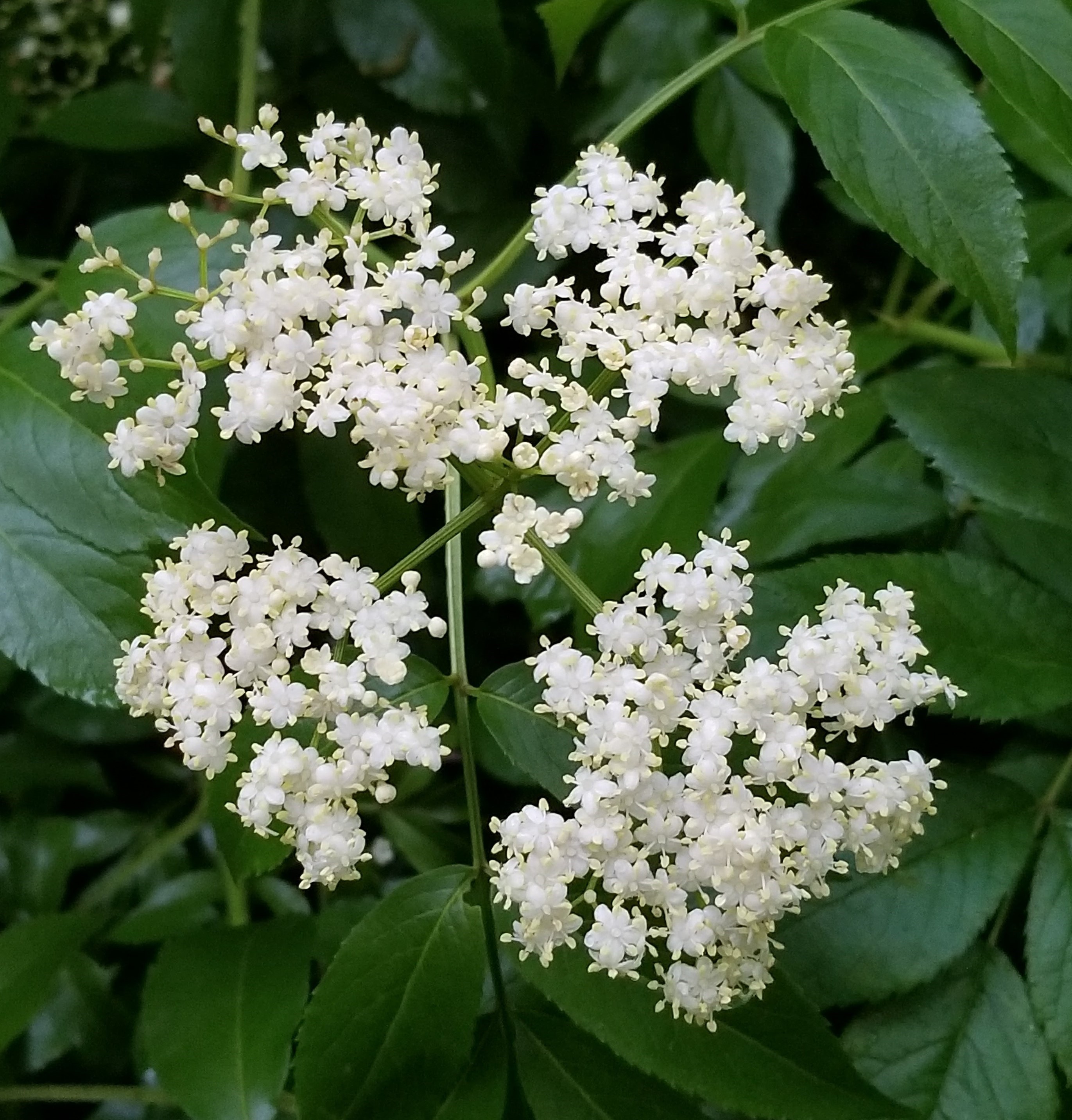
Elderberry
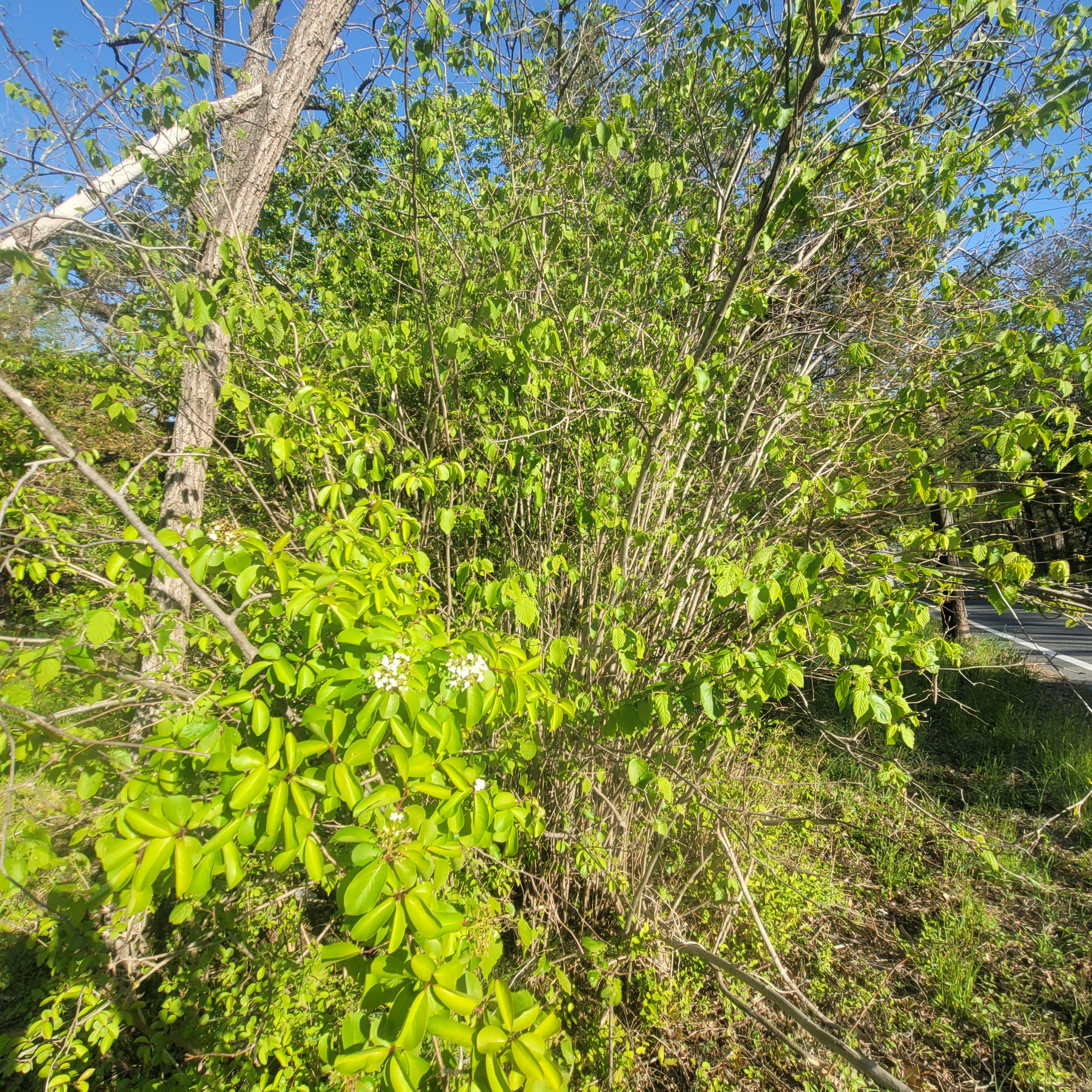
A hazelnut & viburnum hedge
While some of these shrubs aren’t quite as densely thick as privet, adding layers like vines and forbs (flowers) can create visual interest throughout the hedge and greatly increase diversity. Even if you’re simply adding to a fence, vigorous vines like maypop (Passiflora incarnata) can help tie everything together by adding a foliage screen, flowers, and seasonal forage. The fruits typically mature only in warm microclimates or in the Piedmont ecoregion. Smaller vines like groundnut (Apios americana) can add a beautiful touch to a red‑twig dogwood or elderberry hedge, while also offering edible peas and tubers. This species is pollinated by leaf‑cutting bees, the only bees with the strength and size to trigger the flower’s spring‑loaded pollination mechanism — but that’s a story for another article. Other worthwhile vines include pipevine (Aristolochia) and American bittersweet (Celastrus scandens) for wildlife value.
It wouldn’t be a hedge article from me without a blurb on arborvitae. Though it has somehow gained a reputation as a native, cultivars like ‘Green Giant’ are actually hybrids of two non‑native species. Sure, they provide nesting and cover for birds, but their sterility and highly resinous foliage mean they offer no seed for wildlife, lack genetic diversity, and don’t support native insects nearly as well. Their narrow strip of green screening is easily overshadowed by a true white cedar (Thuja occidentalis) or sweetbay magnolia (Magnolia virginiana). Marcescent trees like certain oaks, or densely branching species such as hawthorns (Crataegus) can offer a similar level of privacy while providing far more ecological function. Arborvitae ultimately offers little forage value for people or wildlife and requires ongoing maintenance, whereas a Viburnum thicket only grows more beautiful with age. And while we’re on the subject, not all berries are created equal.
Native Viburnum berries can be up to 48% fat, same for winterberry holly (Ilex verticillata), northern bayberry, and Virginia creeper. Invasive species like honeysuckle or multiflora rose produce between .34% to 1.78% fat in their berries. To our native birds performing long migrations or surviving harsh winters, which set of options make sense? It is always the one that has co-evolved with the landscape.
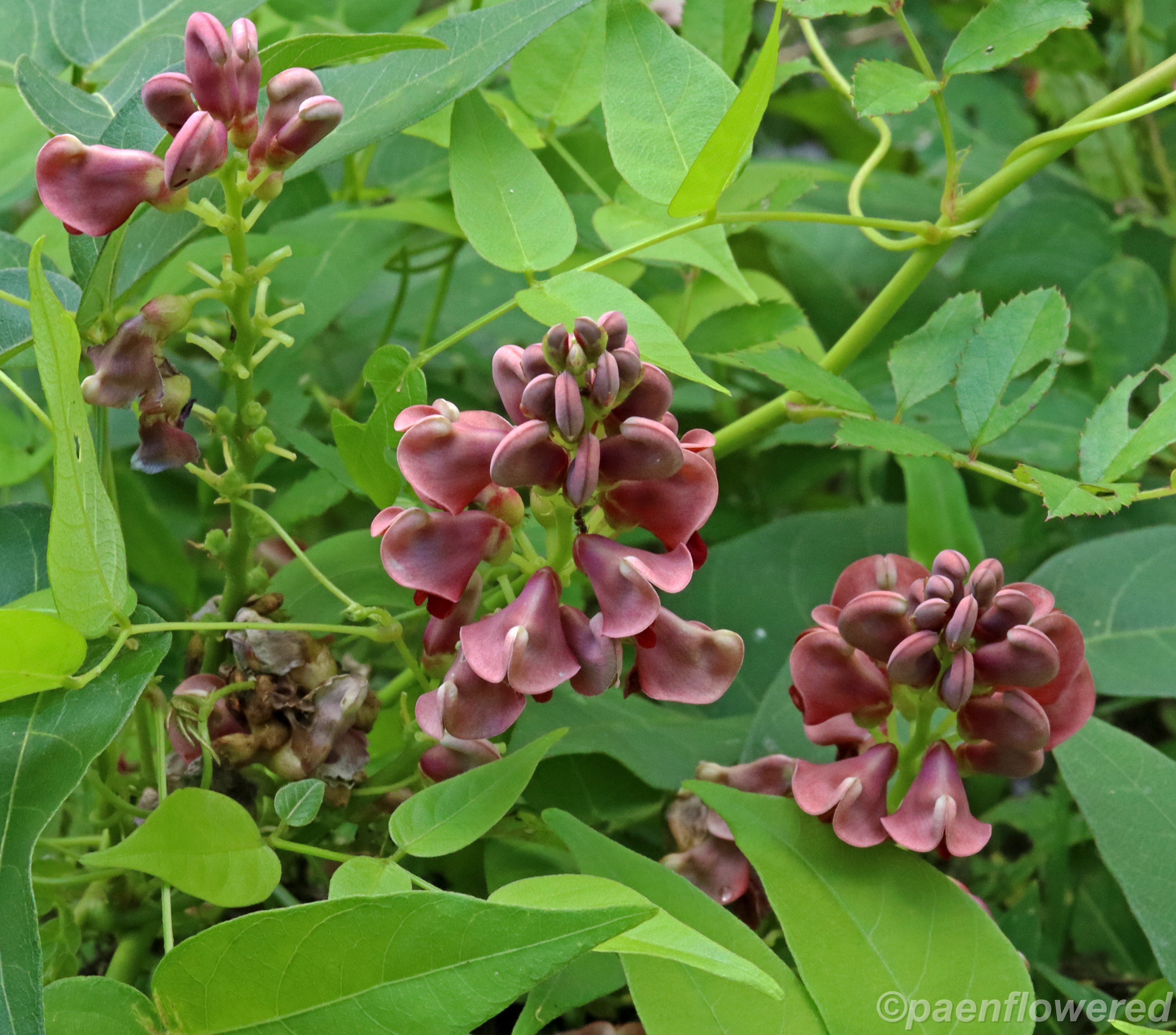
Groundnut
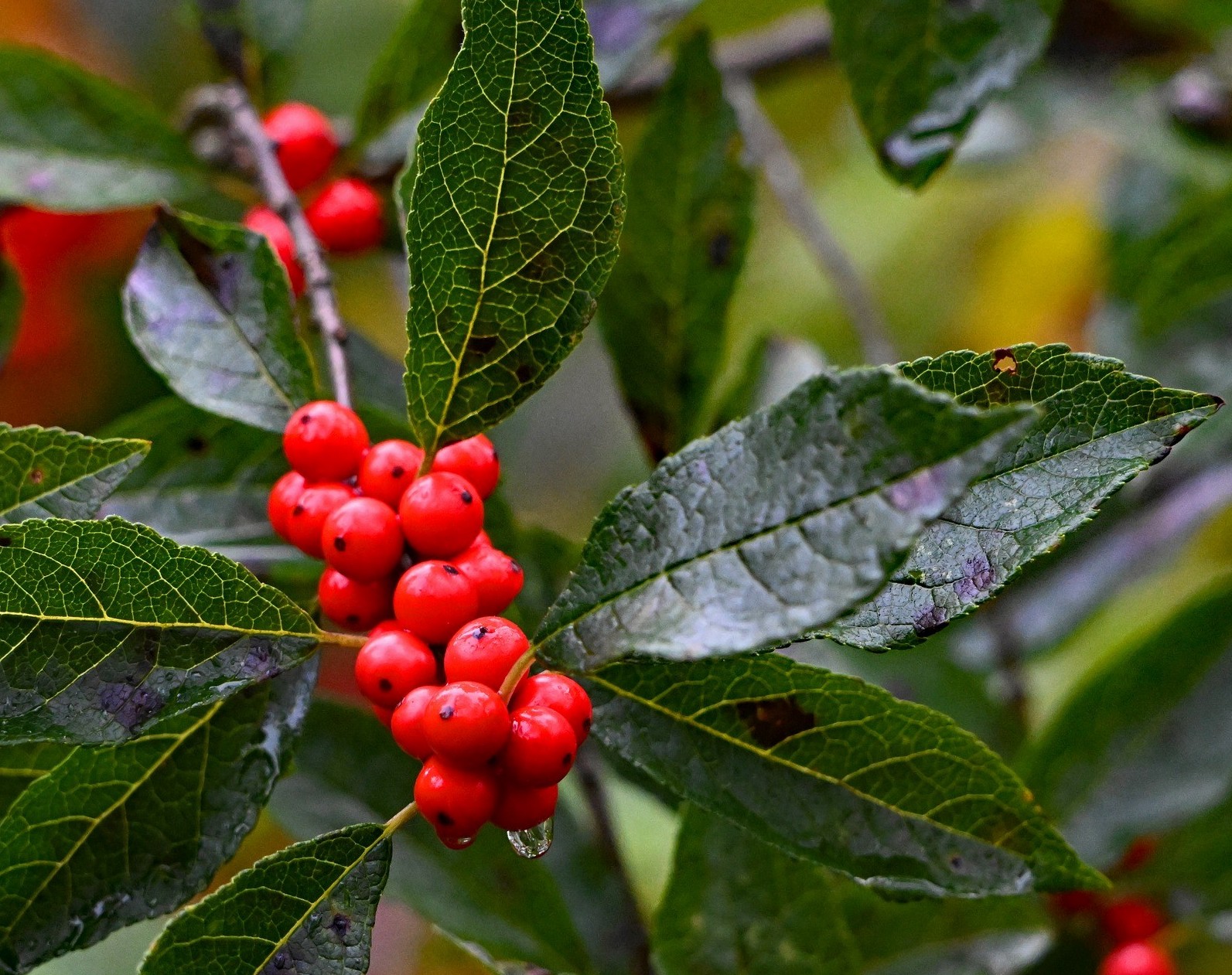
Winterberry
Back to the plants we want to be incorporating though. Forbes are the secret to turning a "line of bushes" into a living machine. Filling in the dead spaces with flowering plants like nodding onion, columbine (Aquilegia), Packera, Asarum (wild ginger), or even wild strawberry will fill out and spread even in the shady backside of the border. Species like mountain mints (Pycnanthemum), beebalms(Monarda), or Agastache can fill vertical deadspace, feed a wide diversity of pollinators, and offer forage from the garden.
For many of us, flowers are a portal to the past — perhaps a Rose‑of‑Sharon reminds you of your mom. I resonate with that. It’s also worth remembering that many of these invasive, low‑value plants have native cousins that offer far more to the ecosystem, such as Hibiscus laevis in place of Rose‑of‑Sharon. Honeysuckle has several native alternatives, and there are multiple native hibiscus species as well. Buttonbush will attract just as many butterflies as butterfly bush (Buddleja) while also hosting a new generation as a larval plant — and if you have a damp or wet hedge, it would look incredible there.
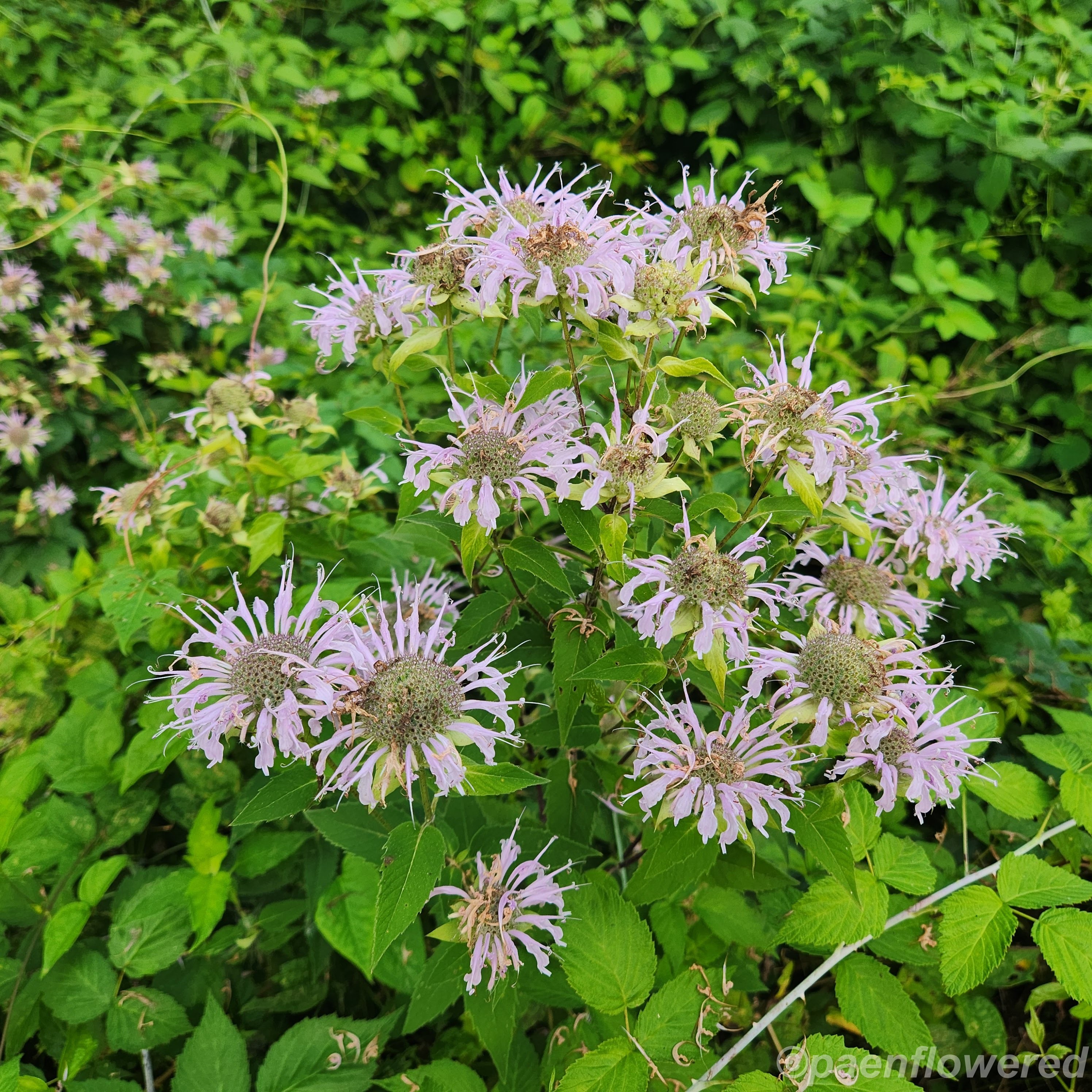
Beebalm
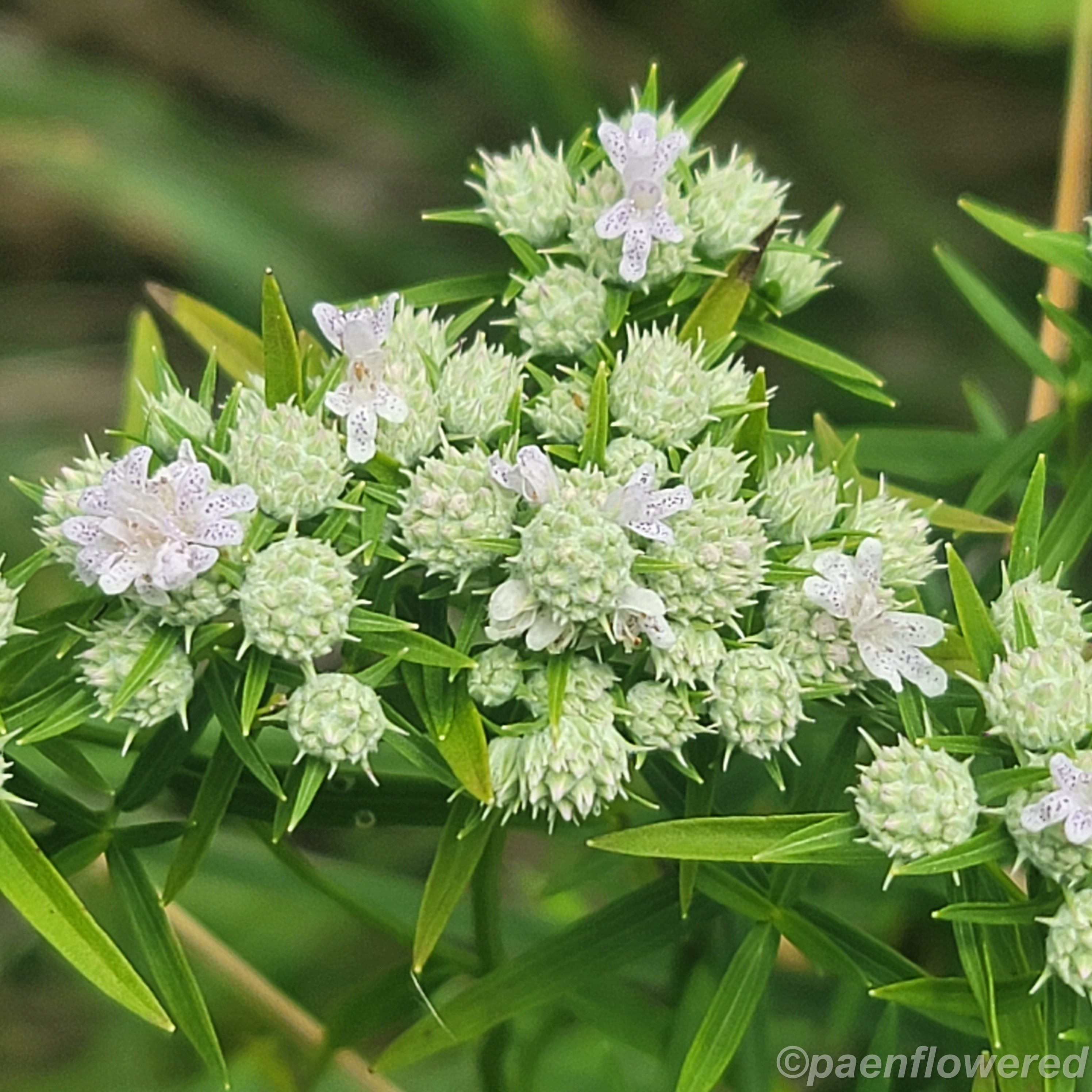
Mountainmint
Starting over is hard — in life, in work, or in a hedge — but disturbance is natural, and restarting is a chance to call in and create life. Ecosystems have members and specific assemblages, yet in the garden we can break that mold and invite characters from all sorts of habitats. The collective impact of these choices can bring real returns with regard to local wildlife, food security, community, and overall quality of life. Many native shrubs grow quickly when planted, even though they compete heavily in the wild. So take the plunge: chop that privet, plant that elderberry or dogwood, and let their purple or porcelain‑blue berries invite new songs into your life.
Sincerely, a creature of the oak–hickory woodlands, Noah Cawthon